

Belgium's First Proxmox Community Day Is Free. The Bigger Deal Is Who Gets to Speak.
PVEday 2027 is a free Proxmox community event in Ghent, Belgium, scheduled for 3 February 2027, from 10:00 to 18:00. Its call for presentations closes on 1 December 2026, making the speaker opportunity as useful as the admission price.
The event announcement lists the date, a public speaker-submission route and registration information. Attendees also raised practical questions about traveling on a weekday, the language of talks and whether sessions might be recorded.
When and where is PVEday 2027 in Belgium?
PVEday is set for 3 February 2027 in Ghent, with free admission and an announced 10:00 to 18:00 schedule.
The essentials are unusually approachable for a technology conference. PVEday is scheduled for Wednesday, 3 February 2027, from 10:00 to 18:00, in Ghent. Attendance is free, although registration is requested so organizers can estimate room capacity and send reminders. The talks will be in English, a detail confirmed when someone considering the trip from Denmark asked directly. The invitation covers homelab users, enterprise practitioners, and newcomers. The promise is a day built around the community, with the project's own backing rather than a parade of product pitches.
If you want to prepare a test cluster before the event, the Proxmox installation guide covers the base setup you can reproduce at home.
The choice of calendar matters nearly as much as the venue. PVEday will take place within CfgMgmtCamp, the infrastructure and configuration-management gathering running in Ghent from 1 to 3 February. CfgMgmtCamp follows the FOSDEM weekend in Brussels, giving people already traveling for European open-source events a reason to extend their trip. For visitors, that makes PVEday feel less like an isolated excursion and more like another conversation in a week devoted to systems people build and operate. It's practical planning for people already traveling.
The early reactions have been enthusiastic without pretending every detail is settled. One commenter from Ghent was surprised and pleased to see an event in their hometown. Others immediately said they intended to attend. A Belgian participant described plans to share new content about a Proxmox and Ceph cluster, even while hesitating to propose a talk. Someone else worried they would simply forget the event by February and asked whether a mailing list existed. The organizers face an audience with different levels of availability and confidence. Free admission removes one obstacle. It doesn't remove the rest.
How can operators submit a PVEday talk?
Talk proposals are open until 1 December 2026, and practical stories about migrations, Ceph and operational failures fit the event’s stated goals.
The call for presentations closes on 1 December 2026, and its scope is wider than a narrowly defined conference track. Organizers want migration stories, storage designs, Ceph setups, Proxmox Backup Server experiences, Proxmox Datacenter Manager discussions, and ideas from both home and enterprise installations. Workshops are welcome too. Most tellingly, the invitation explicitly encourages people speaking for the first time and offers help shaping their talks. That may change who submits. Many capable administrators don't consider themselves speakers. They may know exactly why a cluster broke at midnight and still assume that story isn't impressive enough for a stage.
It often is. A migration that went badly can be more useful than a polished victory lap. So can a storage configuration that looked sensible until recovery day, an unexpected Ceph tradeoff, or a backup design that turned out to be harder to restore than to create. These are possibilities, not confirmed sessions. What the organizers have done is signal that the interesting material comes from operating real systems. The implied question for a prospective speaker isn't whether they have a revolutionary new product. It's whether they encountered something another person could learn from before making the same mistake.
That invitation meets a very recognizable hesitation. One community member discussing a cluster build said they planned to attend as a visitor and might present the following year instead. The organizers nudged them to reconsider while reminding everyone that the deadline remained open. There's no need to romanticize stage fright or insist every attendee ought to submit. Some will get more out of listening. Still, welcoming beginners is only meaningful if they feel welcome when proposals are reviewed, sessions are scheduled, and questions arrive from the room. The first edition will have an opportunity to prove that the invitation is genuine. A thoughtful speaker program could make the next event much more interesting than the first.
What will Proxmox sponsorship change?
Proxmox sponsorship adds direct vendor visibility, but the quality of the event still depends on the community’s working examples.
Proxmox's sponsorship adds a different kind of anticipation. The announcement says the project will present some of its future directions. For users investing time in virtual machines, containers, clustering, backups, and management, direct access to the people shaping the ecosystem is understandably attractive. But a preview of future directions is not a promise of specific features or release dates. Nothing in the announcement confirms a product launch or a particular roadmap item. The valuable opportunity is to hear where maintainers want to go, then compare that direction with the problems users are already encountering in their installations.
Talks about operational recovery are especially valuable alongside a practical Proxmox backup strategy, where restore testing is part of the design.
That comparison could be PVEday's strongest contribution. Proxmox Backup Server and Proxmox Datacenter Manager appear alongside Ceph and migrations in the suggested talk subjects because the wider ecosystem is part of the discussion. A homelab operator testing backup routines and an infrastructure engineer planning migrations may face very different stakes, but both care about whether a system is understandable when something fails. The event doesn't need to flatten these experiences into a single approved approach. Its better role is to let participants explain their constraints and tradeoffs clearly enough that others can recognize which lessons apply to their own environment.
There's a familiar risk whenever a free community gathering also has official project support: the program can drift toward announcements that sound impressive while the awkward operational questions get less time. The organizer's emphasis on user stories and workshops pushes in the other direction, at least on paper. The community's response so far doesn't show a fierce argument about sponsorship or control; most people seem excited that the day is happening at all. The real tension is quieter. Will the agenda leave enough room for honest migration failures, messy backup lessons, and ordinary questions from people who aren't experts? That's the test that makes an event worth returning to.
Is PVEday 2027 worth attending or speaking at?
Attend if you can use the peer discussions or contribute a concrete story; otherwise, watch for a confirmed recording or session-publication plan.
Some of the most useful comments had little to do with virtualization. A student was disappointed that 3 February falls during a school week and couldn't easily attend. Another person asked whether the event would be accessible remotely or available afterward. A reply said the talks would be recorded, although that doesn't establish a live-stream option or when recordings will appear. The English-language confirmation helped a prospective traveler from Denmark. These questions matter. An international open-source community includes people who can't take a workday off, can't travel, or simply want assurance they'll understand the sessions before booking transportation.
Registration produced its own small reality check. After the organizers posted a free sign-up link, one interested attendee reported seeing an outdated message claiming the event had already taken place in June 2026. Another person said registration worked, and the original commenter later confirmed receiving a registration email, apparently more than once. This isn't evidence of a lasting failure, but it is a reminder that event logistics have to be as usable as the invitation sounds. The people most eager to attend shouldn't need a troubleshooting session just to reserve a seat. Nor should someone hear about the day in October and forget it before February arrives.
For now, the practical route is straightforward. The event information is at pveday.be, and the organizers have shared a free registration form. Anyone considering a presentation can use the PVEday proposal portal before 1 December 2026. Those are separate actions: registering to attend doesn't submit a talk, and submitting a talk isn't the same as securing admission. Given the early sign-up confusion, it's sensible to check the event details and confirmation before arranging travel. Also, the published announcement provides no final talk schedule, so proposed subjects should not be mistaken for confirmed sessions.
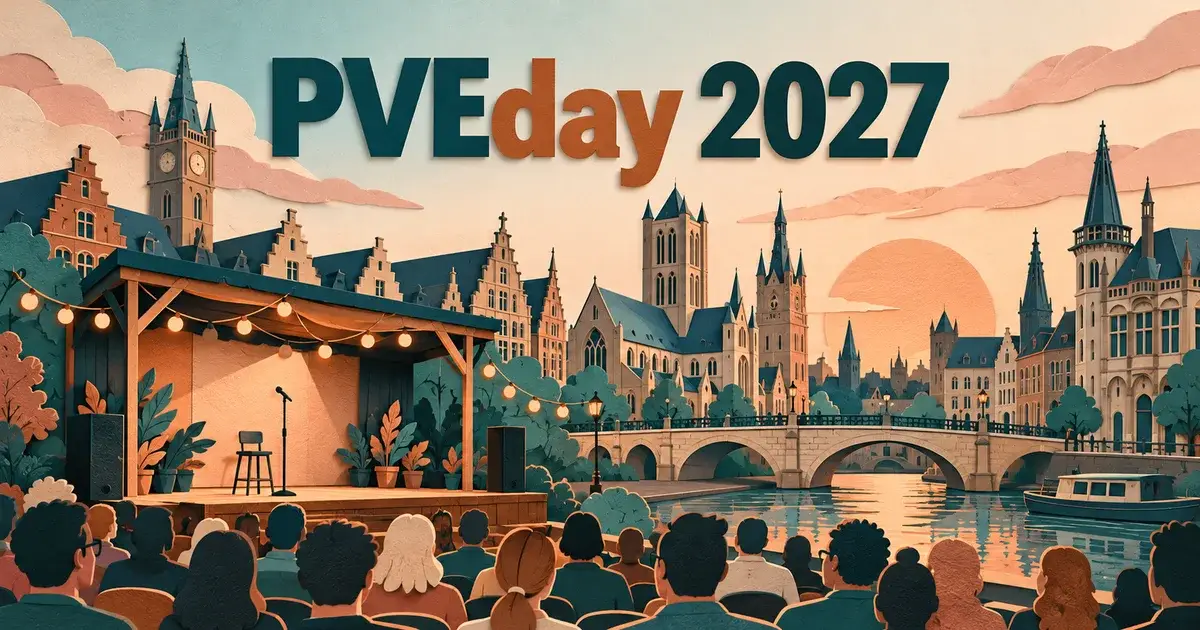
A funny side conversation even broke out over the promotional artwork's colors, proof that a technical community can find something to tease before the first session has been announced. Beneath the jokes, though, is a promising pattern. People are volunteering to attend, asking how to participate, and hoping the content will remain available afterward. Belgium's first PVEday won't be judged solely by who speaks about the next Proxmox feature. It'll be judged by whether someone leaves with a fix for a stubborn problem, a clearer understanding of a migration, or enough confidence to submit their own hard-earned story next time. The free ticket gets them through the door. The conversations have to do the rest.
I would submit a narrow, honest case study rather than a broad product presentation if I had a useful operational lesson. If you cannot travel to Ghent on a workday, follow the event pages for the confirmed agenda or recordings instead of assuming videos will exist.
Frequently Asked Questions
When is PVEday 2027?
PVEday is scheduled for Wednesday, 3 February 2027, in Ghent, Belgium, from 10:00 to 18:00. Admission is advertised as free.
What is the deadline to submit a PVEday talk?
The call for presentations closes on 1 December 2026. Prospective speakers should use the event’s official CFP page for submission requirements and updates.
Will PVEday sessions be recorded?
The initial event announcement does not guarantee recordings. Check the organizer’s event pages for any confirmed publication or video policy.