

Newsletter
Subscribe our newsletter
Get new infrastructure guides, comparison reports, and migration notes in your inbox.
Kubernetes Distributions Report: Cloud, Bare Metal and Edge
An analysis of Kubernetes distributions across cloud-managed services, enterprise platforms, lightweight options and on-premises deployments, comparing features and strengths to help you pick one.
Executive summary
The Kubernetes ecosystem has grown quickly since it launched, and dozens of distributions now serve different use cases, infrastructure types and organizational needs. This report categorizes and analyzes the major Kubernetes distributions available in 2025.
Cloud-managed services
8 major cloud providers offering fully managed Kubernetes
Enterprise platforms
5 enterprise-grade platforms with commercial support
Lightweight distributions
5 minimal K8s options for edge, development, and constrained environments
On-premises & specialty
8 distributions for self-managed and specialized deployments
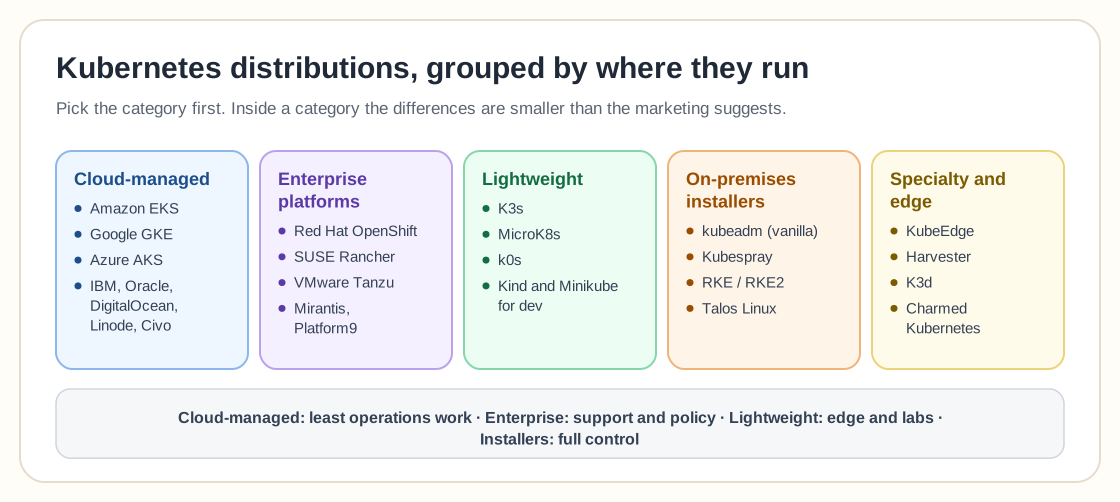
Cloud-managed Kubernetes services
Fully managed Kubernetes services from major cloud providers, handling control plane management, upgrades, and infrastructure integration.
Amazon EKS
AWS
Fully managed Kubernetes service integrated with AWS ecosystem
Strengths
- •Deep AWS integration
- •Auto-scaling
- •IAM integration
- •EKS Anywhere option
Considerations
- •AWS lock-in
- •Higher costs
- •Complex networking
Best for: Organizations heavily invested in AWS
Google GKE
Google Cloud
Google's managed Kubernetes with autopilot mode
Strengths
- •Native K8s experience
- •Autopilot mode
- •Best-in-class networking
- •Cost optimization
Considerations
- •GCP-specific features
- •Less enterprise tooling
Best for: Teams wanting pure Kubernetes experience with managed convenience
Azure AKS
Microsoft Azure
Microsoft's managed Kubernetes with Azure integration
Strengths
- •Azure AD integration
- •Hybrid options (Arc)
- •Windows container support
- •Free control plane
Considerations
- •Azure lock-in
- •Networking complexity
Best for: Microsoft-centric organizations and hybrid scenarios
IBM Cloud Kubernetes
IBM Cloud
Enterprise-grade managed Kubernetes with OpenShift option
Strengths
- •Enterprise support
- •OpenShift integration
- •Multi-zone clusters
Considerations
- •Smaller ecosystem
- •Higher costs
Best for: IBM enterprise customers
Oracle Container Engine
Oracle Cloud
Oracle's managed Kubernetes service
Strengths
- •Oracle DB integration
- •Competitive pricing
- •Enterprise support
Considerations
- •Smaller community
- •Limited third-party integrations
Best for: Oracle database workloads
DigitalOcean Kubernetes
DigitalOcean
Developer-friendly managed Kubernetes
Strengths
- •Simple setup
- •Affordable pricing
- •Good documentation
- •Developer experience
Considerations
- •Limited enterprise features
- •Fewer regions
- •Basic networking
Best for: Startups and small teams
Linode Kubernetes Engine
Akamai/Linode
Straightforward managed Kubernetes
Strengths
- •Predictable pricing
- •Simple setup
- •Good performance
Considerations
- •Limited advanced features
- •Smaller ecosystem
Best for: Cost-conscious teams wanting simplicity
Civo Kubernetes
Civo
Fast, lightweight managed K3s clusters
Strengths
- •Under 2-minute cluster creation
- •K3s-based
- •Affordable
- •Developer-focused
Considerations
- •Smaller network
- •Limited regions
- •Newer provider
Best for: Development and testing environments
Enterprise Kubernetes platforms
Kubernetes platforms with additional tooling, security features and enterprise support. Beyond basic orchestration, they provide full application platforms.
Red Hat OpenShift
Enterprise Kubernetes platform with developer tools and security
Strengths
- •Comprehensive platform
- •Built-in CI/CD
- •Strong security
- •Enterprise support
- •Hybrid/multi-cloud
Considerations
- •Complex setup
- •Higher costs
- •Opinionated architecture
Best for: Large enterprises needing full-stack platform with support
SUSE Rancher
Multi-cluster Kubernetes management platform
Strengths
- •Manages any K8s
- •Great UI
- •Multi-cluster
- •Open-source friendly
Considerations
- •Additional layer of complexity
- •Resource overhead
Best for: Managing multiple heterogeneous Kubernetes clusters
VMware Tanzu
VMware's enterprise Kubernetes platform
Strengths
- •vSphere integration
- •Enterprise features
- •Multi-cloud
- •Developer experience
Considerations
- •VMware ecosystem dependency
- •Licensing costs
- •Complex architecture
Best for: VMware shops modernizing infrastructure
Mirantis Kubernetes Engine
Enterprise Kubernetes with Docker Enterprise heritage
Strengths
- •Bare-metal support
- •Windows containers
- •Enterprise support
Considerations
- •Smaller community
- •Docker legacy
Best for: Organizations needing Windows container support
Platform9 Managed Kubernetes
SaaS-managed Kubernetes for any infrastructure
Strengths
- •Managed control plane
- •Works anywhere
- •Day-2 operations
Considerations
- •Subscription costs
- •External dependency
Best for: Teams wanting managed experience without cloud lock-in
Lightweight Kubernetes distributions
Minimal, resource-efficient Kubernetes distributions designed for edge computing, development environments, and resource-constrained deployments.
K3s
Lightweight Kubernetes from Rancher/SUSE
Strengths
- •Small binary (<100MB)
- •Low resource usage
- •Edge-ready
- •Production-grade
Considerations
- •Some features removed
- •Different defaults
Best for: Edge computing, IoT, homelab, resource-constrained environments
MicroK8s
Canonical's minimal Kubernetes
Strengths
- •Single-command install
- •Low overhead
- •Snap-based updates
- •Add-ons system
Considerations
- •Ubuntu-focused
- •Snap dependency
Best for: Ubuntu environments, workstations, CI/CD
K0s
Zero-friction Kubernetes from Mirantis
Strengths
- •Single binary
- •No dependencies
- •Multiple modes
- •Easy automation
Considerations
- •Newer project
- •Smaller community
Best for: Automated deployments, appliances, edge
Kind
Kubernetes in Docker for testing
Strengths
- •Fast setup
- •CI-friendly
- •Multi-node support
- •CNCF project
Considerations
- •Not for production
- •Docker dependency
Best for: Local development, testing, CI pipelines
Minikube
Local Kubernetes development environment
Strengths
- •Multiple drivers
- •Add-ons
- •Learning-friendly
- •Official tool
Considerations
- •Resource-heavy
- •Single-node focus
Best for: Learning Kubernetes, local development
On-premises & specialty distributions
Self-managed Kubernetes distributions and specialized variants for specific use cases like edge computing, security hardening, and hyperconverged infrastructure.
Vanilla Kubernetes (kubeadm)
Upstream Kubernetes installed manually
Strengths
- •Full control
- •Latest features
- •No vendor lock-in
- •Free
Considerations
- •Manual management
- •Steep learning curve
- •No support
Best for: Experts wanting full control and customization
Kubespray
Ansible-based Kubernetes deployment
Strengths
- •Production-grade
- •Flexible
- •Multi-cloud
- •Active community
Considerations
- •Ansible knowledge required
- •Complex setup
Best for: Teams with Ansible expertise deploying on bare-metal/VMs
RKE/RKE2
Rancher Kubernetes Engine
Strengths
- •Simple setup
- •Rancher integration
- •Security-focused (RKE2)
- •Good defaults
Considerations
- •Rancher-centric
- •Less flexible
Best for: Rancher users or security-focused environments
Talos Linux
Immutable Linux OS designed for Kubernetes
Strengths
- •Security-hardened
- •API-driven
- •Immutable
- •Minimal attack surface
Considerations
- •Different paradigm
- •Learning curve
Best for: Security-conscious teams, immutable infrastructure
KubeEdge
Kubernetes for edge computing
Strengths
- •Edge-cloud synergy
- •Offline capability
- •IoT protocols
- •CNCF project
Considerations
- •Complexity
- •Limited maturity
Best for: IoT and edge computing scenarios
Harvester
HCI with Kubernetes for VMs
Strengths
- •Unified HCI
- •VM + container
- •Built on K3s
- •Web UI
Considerations
- •Newer project
- •Specific use case
Best for: Hyperconverged infrastructure replacing VMware
K3d
K3s in Docker
Strengths
- •Fast local clusters
- •Multi-cluster
- •Good for CI
Considerations
- •Development only
Best for: Local multi-cluster development
Charmed Kubernetes
Canonical's enterprise Kubernetes
Strengths
- •Bare-metal focus
- •Juju charms
- •Ubuntu integration
Considerations
- •Juju learning curve
- •Ubuntu-centric
Best for: Canonical/Ubuntu enterprise environments
Decision guide: choosing your distribution
Quick start / learning
- →Minikube or Kind for local learning
- →DigitalOcean or Civo for cloud experiments
Production cloud
- →EKS/GKE/AKS based on existing cloud commitment
- →GKE Autopilot for minimal operational overhead
Enterprise platform
- →OpenShift for a full platform with support
- →Rancher for multi-cluster management
- →Tanzu if deep in VMware ecosystem
Edge / constrained
- →K3s for edge, IoT, or low-resource production
- →MicroK8s for Ubuntu-based edge/workstation
- →KubeEdge for IoT-specific needs
Security first
- →Talos for immutable, hardened infrastructure
- →RKE2 for security-focused on-premises
- →OpenShift for a full security platform
DIY / full control
- →Vanilla K8s (kubeadm) for complete customization
- →Kubespray for Ansible-based automation
Selection factors
Infrastructure
- •Cloud vs. on-premises vs. hybrid
- •Existing infrastructure (VMware, bare-metal, etc.)
- •Multi-cloud requirements
- •Edge/IoT needs
Operations
- •Managed vs. self-managed
- •Team expertise level
- •Support requirements
- •Day-2 operations complexity
Business
- •Budget and TCO
- •Compliance requirements
- •Vendor lock-in tolerance
- •Time to production
Conclusion
There is a Kubernetes distribution for almost every use case, from developer laptops to large multi-cloud enterprises. Choose by matching your requirements (infrastructure, team capabilities, budget and operational preferences) to each distribution's strengths.
For most organizations, the decision tree looks like this:
- 1.Cloud-native startups: Use managed services (EKS/GKE/AKS)
- 2.Enterprises: Consider OpenShift or Rancher for the full platform
- 3.On-premises/Edge: K3s or RKE2 for lightweight production
- 4.Development/Testing: Kind, Minikube, or K3d locally
The best Kubernetes distribution is the one that fits your context, whether or not it has the longest feature list. Start with your constraints, then find the distribution that best addresses them.